

It’s 2026, and if you’re running a business, a farm, or a commercial facility, the way you think about energy has likely shifted. The "One Big Beautiful Bill" (OBBB) Act and evolving IRS regulations have changed the math on solar.
At Briggs & Stratton, we’ve spent over a century helping people power through challenges. Today, that means helping your business turn energy from an overhead cost into a high-yield financial asset.
Here’s how the 2026 regulatory landscape works and why ownership—specifically with the Briggs & StrattonⓇ SimpliPHIⓇ 6.6 Battery—is the smartest move for your bottom line.
1. The Federal Shift: Business Ownership vs. Residential Sunset
The biggest news of 2026? The residential tax credit (Section 25D) has officially sunset. However, for the B2B world, the Commercial Investment Tax Credit (Section 48E) is still very much alive.
- The 30% Base Credit: Businesses can still claim a 30% federal tax credit on solar and battery storage systems.
- Ownership Matters: To claim the Section 48E credit, the business must own the system. This allows you to retain all the depreciation benefits and performance payments that a "lease" or "PPA" model would take from you.
2. Agriculture & Rural Business: The REAP "Double Dip"
If you operate a rural small business or agricultural site, the USDA Rural Energy for America Program (REAP) is your best friend in 2026.
- 50% Grant Funding: The USDA continues to offer grants covering up to 50% of total project costs.
- The "Double Dip": You can stack the REAP grant on top of the 30% federal ITC.
- MACRS Depreciation: Businesses can significantly accelerate their ROI by utilizing the Modified Accelerated Cost-Recovery System (MACRS), which classifies solar and storage as 5-year property. According to IRS Publication 946, this allows you to write off the equipment much faster than traditional building improvements.
3. Regional Highlights: Where the ROI is Fastest
State incentives in 2026 are filling the gap left by residential shifts, and the Midwest and West Coast are leading the charge.
- Illinois Shines (SRECs): Illinois remains a goldmine for B2B. Through the Illinois Shines program, businesses receive direct payments for the energy they produce. Combine this with ComEd’s Distributed Energy Rebates ($300/kWh for storage), and a scaled Briggs & Stratton system practically pays for itself.
- Wisconsin Focus on Energy: Our home state has increased B2B rebates to help businesses offset peak demand charges. The Focus on Energy program offers substantial prescriptive rebates for commercial solar+storage.
- California DSGS: The Demand Side Grid Support (DSGS) program pays California businesses to discharge their batteries during peak grid stress. It turns your battery from a "backup" into a "paycheck."
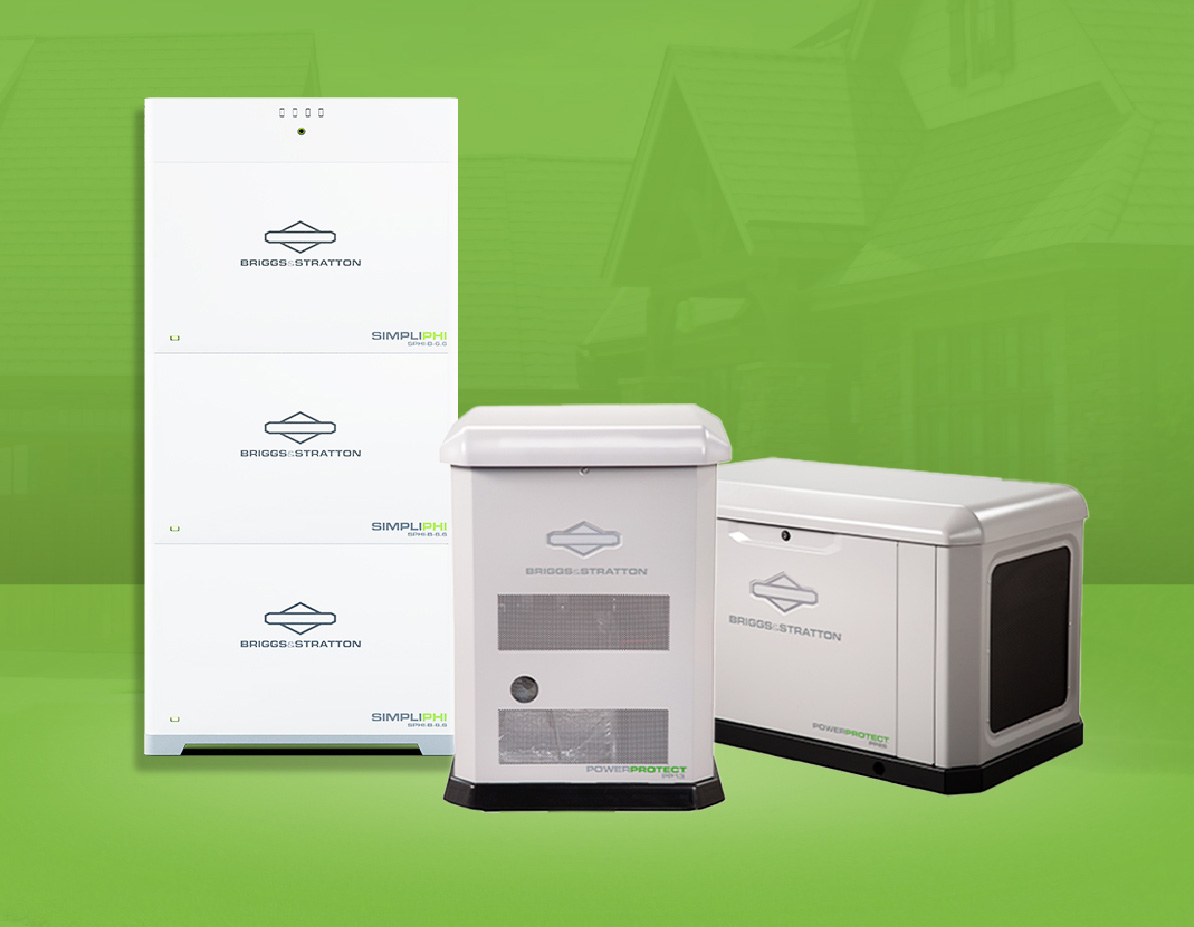
4. Why the SimpliPHI 6.6 is Built for B2B ROI
In the commercial world, time is money and downtime is a disaster. We designed the SimpliPHI 6.6 to solve both:
- RapidStak™ Technology: Our stackable design allows for ultra-fast installation. Less time on the roof or in the electrical room means lower labor costs for your project.
- Scalability: Start small to shave peak demand charges, or scale up to 119.7 kWh per stack to provide full facility backup. Ideal for smaller commercial and retail operations.
- Inverter Agnostic: Briggs & Stratton designed its SimpliPHI 6.6 battery to be inverter agnostic, meaning it pairs seamlessly with all major inverters on the market. This means that you have more options for system configurations that meet your specific needs.
- LFP Chemistry – The Safety Standard for 2026: In 2026, insurance compliance is tougher than ever. We utilize Lithium Ferro Phosphate (LFP) chemistry—the gold standard for fire safety and thermal stability. Whether you are operating in a temperature-sensitive farm environment or a high-traffic retail space, our cobalt-free LFP batteries provide the peace of mind that comes with non-combustible energy storage.
- Longevity: We back our technology with a 15-year warranty. In an era of fly-by-night energy startups, the Briggs & Stratton name stands for reliability.
5. Virtual Power Plants (VPP): The Ongoing Revenue Stream
According to the Clean Energy States Alliance (CESA), commercial and industrial (C/I) participants are now eligible for lucrative programs across the country:
- California: The Emergency Load Reduction Program (ELRP) specifically targets non-residential (commercial, industrial, and agricultural) customers to stabilize the grid.
- Connecticut: The Energy Storage Solutions program offers performance incentives for C/I systems.
- Massachusetts & Rhode Island: Through ConnectedSolutions, businesses can earn thousands annually.
By owning your system, you keep 100% of these performance payments. With a Briggs & Stratton system, that revenue stays on your balance sheet.
Your 2026 Solar Action Plan
The regulations are complex, but the opportunity has never been better. To maximize your 2026 ROI:
- Confirm Ownership: Ensure you own the equipment to capture all performance payments and VPP revenue.
- Apply for REAP grants early if you are in a rural area.
- Choose scalable hardware like the SimpliPHI 6.6 to ensure you can grow as utility rates rise.
Ready to see the math for your facility? Contact a Business Development Manager near you today. Let’s own the power together.
Sources & References
- SEIA: Federal Solar Investment Tax Credit (ITC)
- DSIRE: Modified Accelerated Cost-Recovery System (MACRS)
- IRS: Section 48E Clean Electricity Investment Credit
- USDA: Rural Energy for America Program (REAP) Grants
- Illinois Shines: Program Overview and SREC Information
- ComEd: Distributed Energy Storage Rebates
- Wisconsin Focus on Energy: Renewable Energy for Business
- California Energy Commission: Demand Side Grid Support (DSGS)
- Clean Energy States Alliance (CESA): Virtual Power Plant Programs Summary Table
Attribution: Sol-ArkⓇ, EG4Ⓡ, SolisⓇ, MegarevoⓇ, and GrowattⓇ are registered trademarks of their respective owners.
Disclaimer: The information provided in this article is for informational purposes only. Consult your local utility and a qualified tax professional for detailed information of programs and incentives available in your area and how they may impact the cost of your system and possible utility incentives.
Request a FREE Consultation
Complete a short contact form to receive a no-obligation estimate.