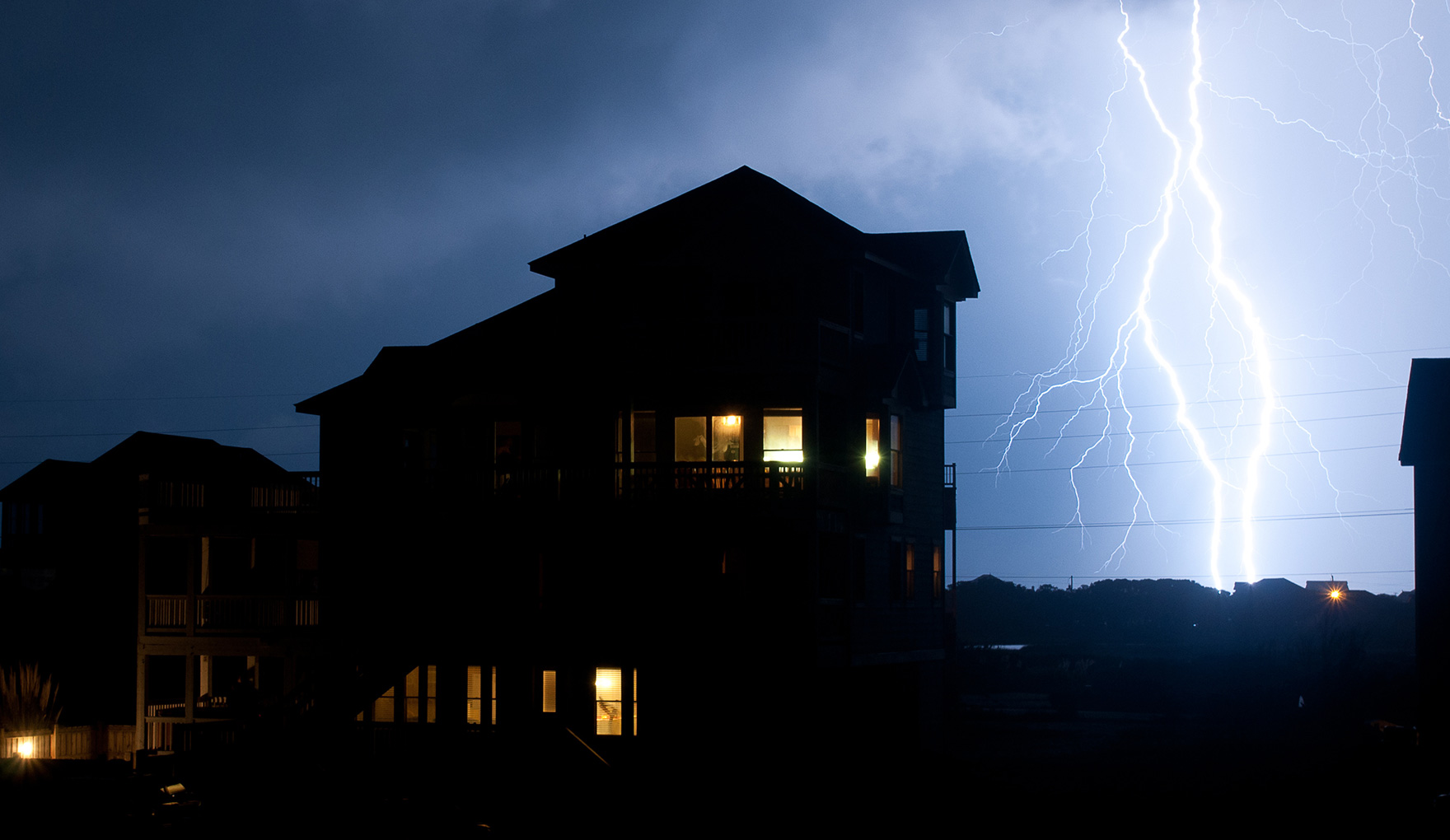
Power outages and natural disasters can happen unexpectedly, affecting millions of households across the United States each year. Whether caused by severe weather, aging infrastructure, or other factors, these events pose real risks to your safety, comfort, and finances.
This guide outlines the scope and impact of outages, why preparedness matters, and the practical steps you can take to protect your home and family.
Understanding the Risks of Power Outages
Power outages are more common than many realize. According to the 2023 American Housing Survey (U.S. Census Bureau), about 1 in 4 U.S. households experienced at least one outage in a year, and nearly 70% lasted six hours or longer.
Causes include:
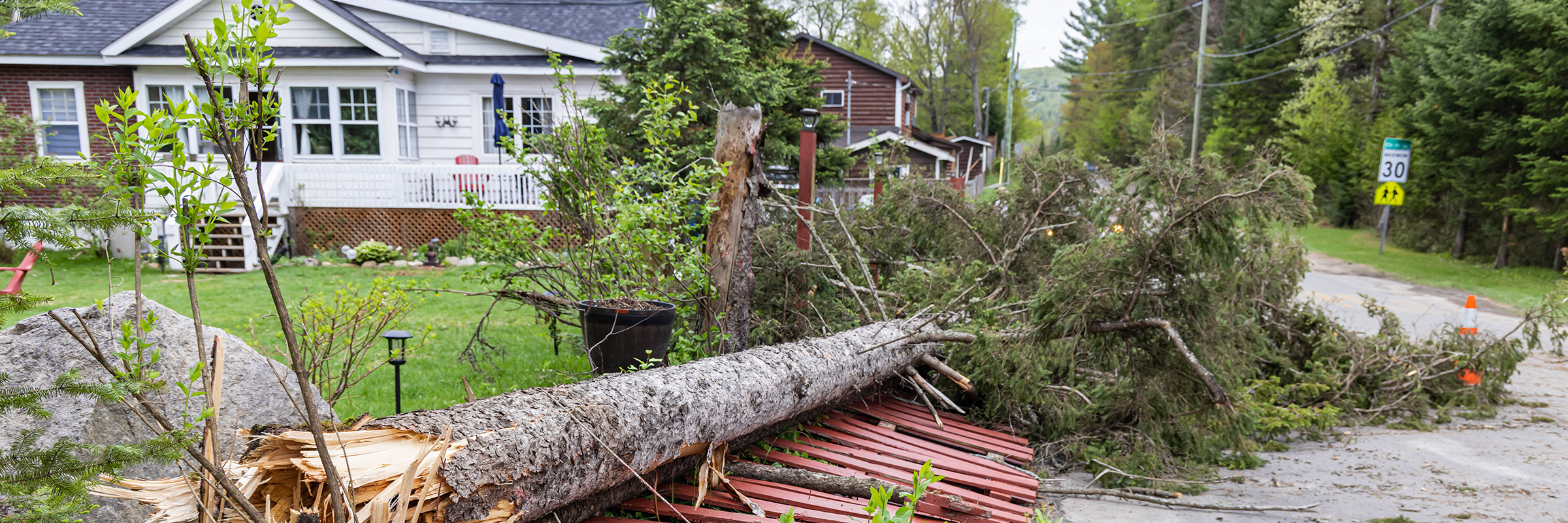
Severe weather like storms, tornadoes, and high winds
Aging infrastructure or equipment malfunctions
High electricity demand during heat waves or cold snaps
Outages can also lead to: spoiled food and medication, property damage, lost income, and health risks—especially for those relying on medical equipment.
In 2024, the U.S. faced 27 billion-dollar disasters often accompanied by extensive outages, according to the NOAA National Centers for Environmental Information (NCEI).

Building Your Emergency Plan
Experts recommend preparing a comprehensive family plan and a 72-hour emergency kit.
6 Key Steps to Prepare:
Build a 72-Hour Emergency Kit – water, non-perishables, flashlights, batteries, first aid kit, and a battery-powered radio.
Protect Food & Medication – keep refrigerators/freezers closed; a full freezer stays cold ~48 hours.
Unplug Electronics – prevent damage from surges when power returns.
Stay Informed – sign up for local alerts and use a NOAA Weather Radio.
Create & Practice a Family Plan – establish meeting spots and roles.
Proactively Protect Your Home – secure outdoor furniture, trim branches, and inspect your roof/gutters.
Proactive Home Hardening: Protecting Your Asset
Your home is your first line of defense. A strong structure reduces risks during storms, wildfires, floods, and winter freezes.
All-Weather Home Hardening Checklist:
Secure outdoor items
Trim weak tree branches, clear debris
Repair loose shingles and weak spots on your roof
Keep gutters clear
Additional Precautions by Risk:
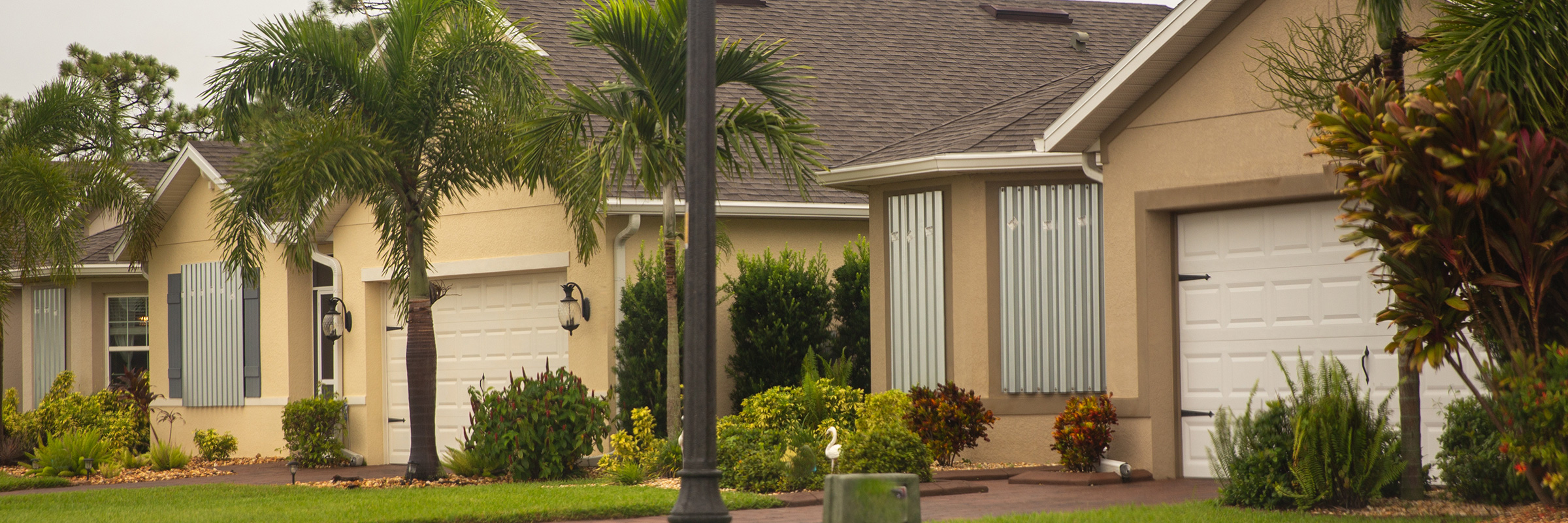
Hurricanes/Severe Windstorms: Install storm shutters or marine-grade plywood.
Wildfire: Maintain a 30-ft defensible space.
Flood: Test your sump pump, store valuables higher, use waterproof containers.
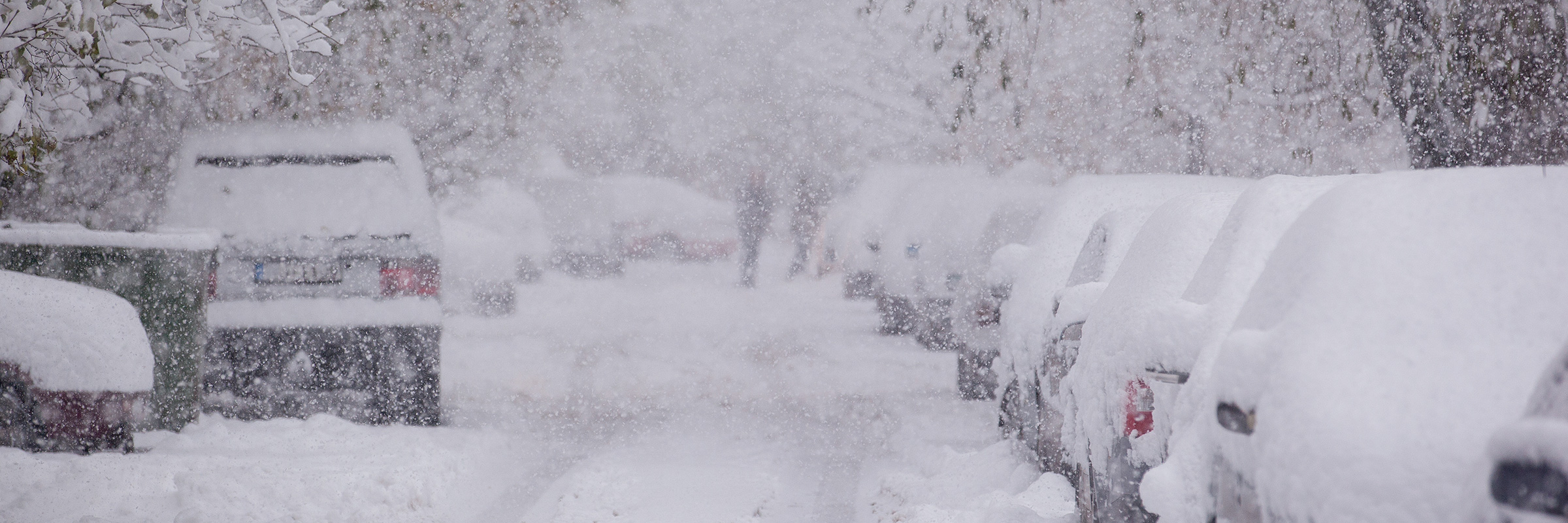
Winter Storm: Insulate exposed pipes, fuel standby generators.
Securing Your Home with a Backup Power Solution
A reliable backup power solution—generator or battery—can protect you from the biggest costs of an outage.
Potential Expenses from a Single Outage:
Hotel stays: $150+ per night
Food spoilage: $200+ in losses
Flooded basement repairs: over $25,000
Backup Options:
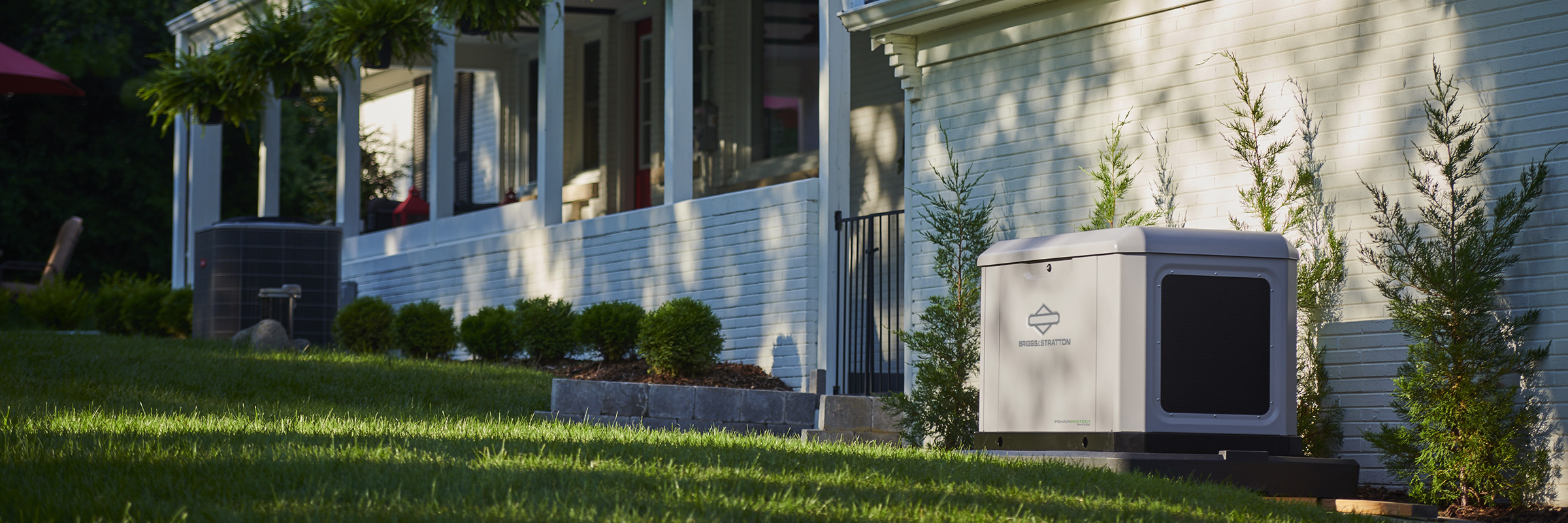
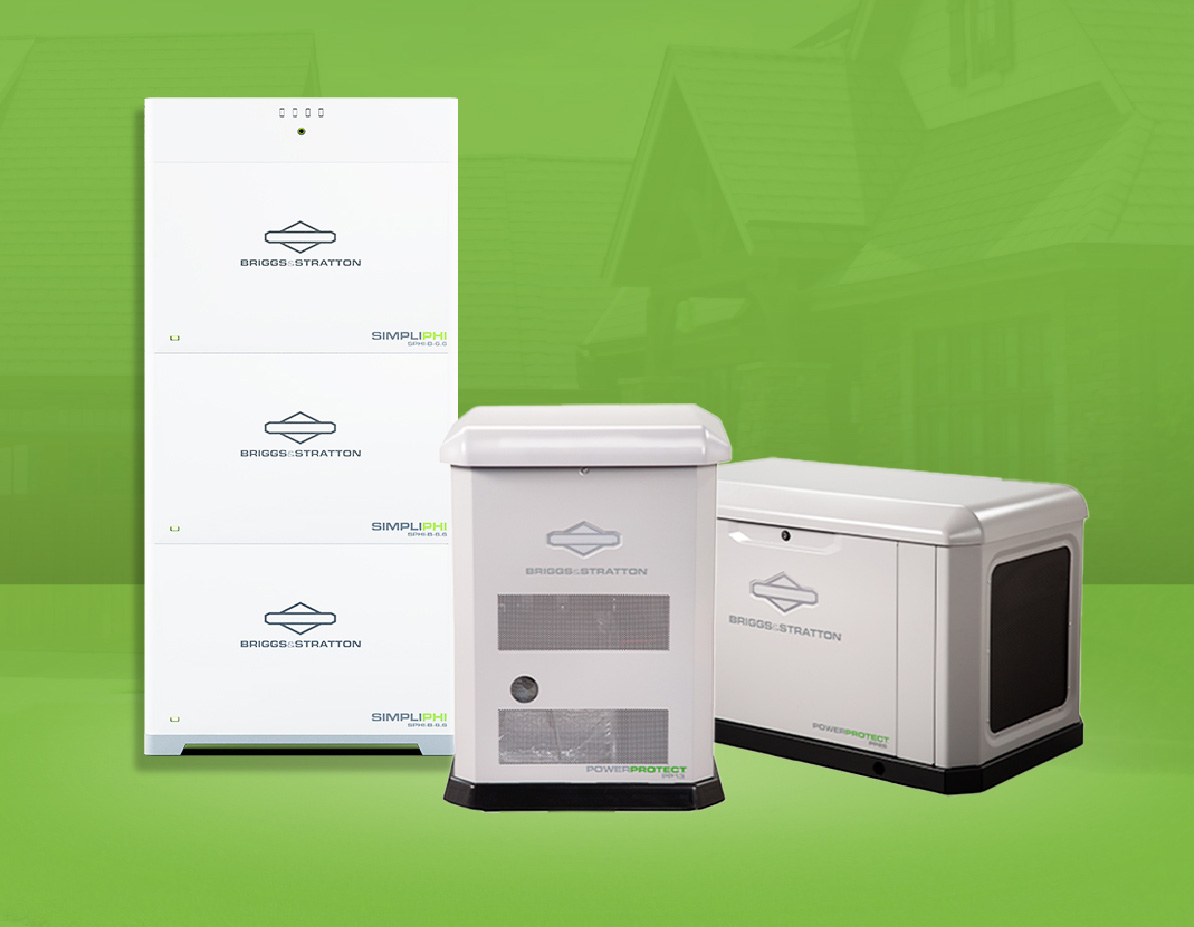
Standby Generators: Permanently installed Briggs & Stratton® standby generators automatically power essentials. Authorized dealers can help size and install.
Battery Backup: The Briggs & Stratton® SimpliPHI® line provides quiet, eco-friendly power instantly.
Safety and Vulnerable Populations
Certain groups face higher risks. According to the 2023 American Housing Survey:
31.6% of households relying on life-sustaining medical equipment experienced outages.
Elderly, disabled, or medically vulnerable individuals may require additional planning and assistance.
Don’t Be Left in the Dark
Plan ahead: Standby generators must be installed before storm season.
Work with an authorized dealer: They’ll recommend the right system and guide installation.
Get your Briggs & Stratton solution: Gain peace of mind knowing you’ll have power when you need it most.
For more preparedness tips, visit Ready.gov: Power Outages.
Request a FREE Consultation
Complete a short contact form to receive a no-obligation estimate.