Tax season can be stressful, but it also presents an opportunity to save money. If you've made energy-efficient upgrades to your home, you might be eligible for valuable tax credits thanks to the Inflation Reduction Act (IRA). With the US tax return deadline looming, If you are about to file your 2024 tax return or are planning for 2025, it's the perfect time to explore these potential savings. Briggs & Stratton is here to help you understand how clean energy tax credits can benefit you.
Key Tax Credits for Homeowners (Including the 30% Credit):
The IRA has introduced and expanded several tax credits that can significantly reduce the cost of installing qualifying clean energy technologies. Here are a few key ones:
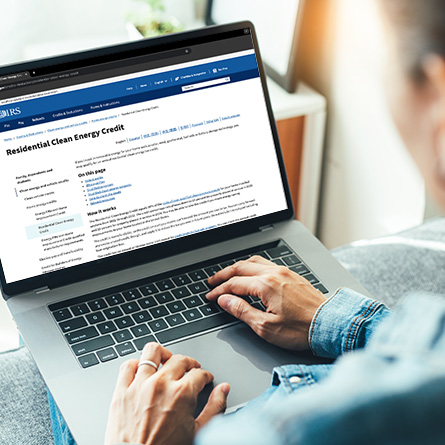
- Residential Clean Energy Credit: This credit offers a 30% tax credit on qualified expenses for new, clean energy property for your home. This includes:
- Solar electric panels
- Solar water heaters
- Fuel cells
- Wind turbines
- Geothermal heat pumps
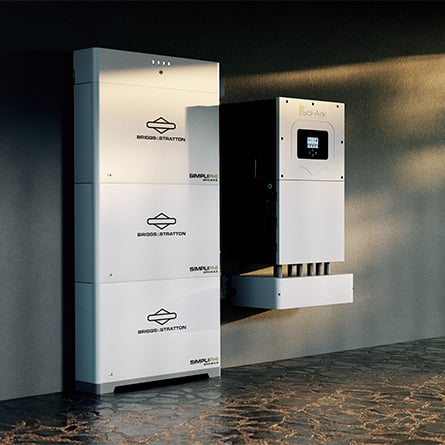
- Battery storage technology
- Energy Efficient Home Improvement Credit: This credit can help offset the costs of making energy-saving improvements to your home. Qualifying improvements include:
- Insulation
- Energy-efficient windows, doors, and skylights
- Heat pumps
- Water heaters