What's the difference between peak shaving and demand response?
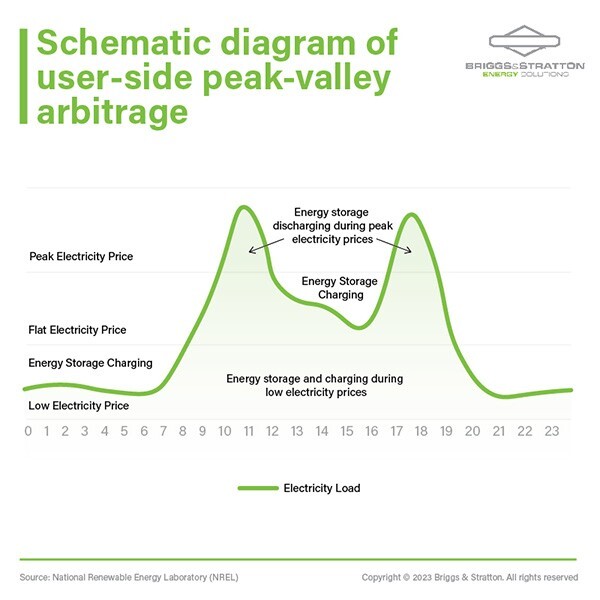
Demand response, or load shifting, differs from peak shaving as it involves shifting energy usage to off-peak hours before or after high-demand hours. Load shifting changes when energy is used, not necessarily reducing energy usage from the grid. With peak shaving, battery storage or facility-owned power generation is used rather than grid usage during peak time.
How does battery storage support peak shaving and demand response?
Battery storage plays a critical role in both peak shaving and demand response. In peak shaving, batteries store energy during periods of low demand and discharge it when demand surges, helping to reduce the strain on the grid and avoid costly peak energy prices. For demand response, battery storage systems provide flexibility by storing excess energy when demand is low and supplying it when the grid requires additional capacity. This capability allows utilities to balance supply and demand more effectively lower operational costs, and improve overall energy resilience. Both functions work together to optimize energy use and provide unique value streams for commercial facilities.
Knowing when to use either strategy for C&I applications depends on the circumstances.
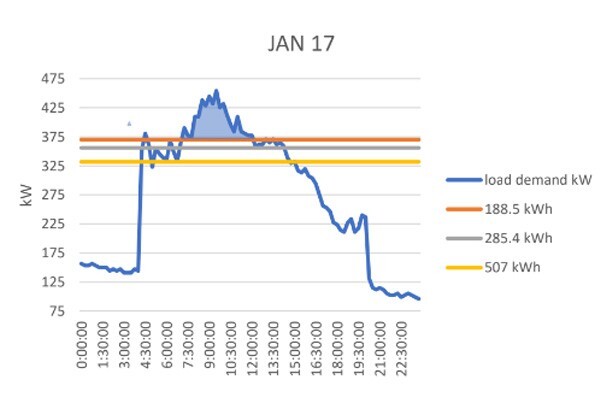
For C&I customers that experience high demand charges (billing based on the top increment of power consumption) battery storage can be used to lower energy usage from the grid. Smoothing out periods of high demand can reduce energy bills.
For industrial facilities with predictable and inflexible energy loads that can't be shifted to off-peak hours, it may make more sense to leverage energy storage and bring down demand during high-peak hours.
One of the most beneficial ways C&I facilities can control their energy is by incorporating on-site energy generation coupled with battery storage. With current incentives and the opportunity to control peak demand, this combination is a timely strategy to adopt while incentives are high. The on-site energy can be used during peak demand periods, and charge energy storage systems can be used for peak shaving.