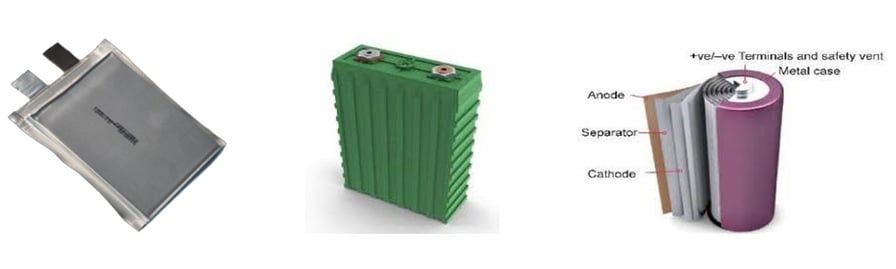
Battery systems may look simple on the outside, but do you ever wonder what's happening inside? When selecting an energy storage system, most people don't realize there are different types of lithium-ion batteries and that the differences inside those batteries are essential. The battery cells' chemistry and shape, or form factor (cylindrical, prismatic, and pouch cells), can impact the safety of a system and how well it performs when you need it most. Additionally, manufacturing processes and standards can further increase a battery's performance and safety characteristics.
Batteries are integral to our daily lives. They have become essential to modern living, from powering our smartphones to running entire households. As we rely increasingly on batteries, it is crucial to understand the different types of battery chemistries available and how certifications like UL 9540 and UL 9540A can help us choose the optimal battery or ESS to protect our homes or businesses.
Let's start with a bit of battery chemistry
Lithium-ion batteries are popular for many applications due to their high energy density, long cycle life, and low self-discharge rates. However, not all lithium-ion battery chemistries are created equal. There are several types of lithium-ion batteries on the market, so it is critical to be aware of each one's strengths and weaknesses.
Lithium Nickel Manganese Cobalt Oxide (NMC)
This battery type features a high energy density that enhances the range of electric vehicles (EVs). It includes a nickel, manganese, and cobalt blend, with several commercial variations such as NMC811, NMC532, and NMC622.
Pros: NMC batteries have a higher energy density than LiFePO4 batteries, making them popular for powering electric vehicles and renewable energy storage.
Cons: NMC batteries are more expensive than other types of Li-ion batteries and also contain cobalt, which can be sourced from unethical mining practices. Additionally, these batteries may require additional safety precautions due to their potential for overheating or thermal runaway.
Lithium Nickel Cobalt Aluminum Oxide (NCA)
Characterized by its high energy density and specific power, this battery uses nickel and aluminum in its composition. While it offers significant advantages, it is less safe and more expensive than other technologies, making it a common choice for high-performance EVs.
Lithium-iron phosphate (LiFePO4) battery
This variant is more affordable because it uses iron and phosphate instead of nickel and cobalt. They are notable for their safety and long lifespan.
Pros: This type of battery is known for its high safety standards and thermal stability. It has a lower energy density than other lithium-ion (Li) chemistries, but that makes up for its longer lifespan and better durability. Lithium batteries typically vary by the metallic construction of the positive terminal inside the cells. Iron is an excellent, non-toxic choice to cobalt. Iron-based battery chemistry is generally called LFP, where the F stands for ferrous and Latin for iron. LFP batteries are slightly heavier but are more durable, longer-lasting, and much safer.
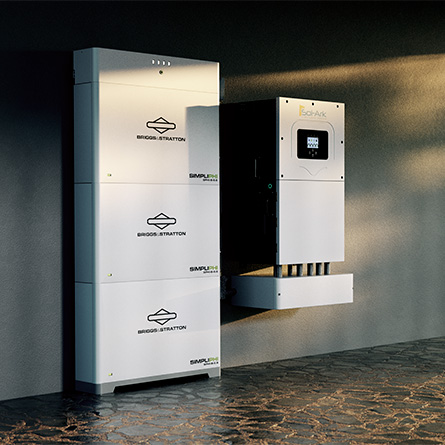
While cobalt-based batteries are necessary for ultralight applications, iron-based batteries are by far the superior battery for home storage needs. Briggs & Stratton Energy Solutions batteries are all based on safety-certified and durable LFP chemistry.
Lithium Cobalt Oxide (LCO)
LCO batteries are highly energy-dense but have a relatively short lifespan and low thermal stability. Their limited specific power makes them ideal for low-load applications like smartphones and laptops, where they provide smaller amounts of power over extended durations.
Cons: Many types of lithium batteries contain cobalt, a rare and potentially toxic element that can reduce the weight of batteries but can also make them more susceptible to problems. Cobalt is commonly used in the production of lithium-ion batteries, but its mining can cause a range of serious issues. From environmental degradation to unethical labor practices, cobalt mining has severe economic, environmental, and social costs that must be addressed. Briggs & Stratton Energy Solutions LFP batteries do not use cobalt in the manufacturing of our batteries.
Lithium Manganese Oxide (LMO)
Known for enhanced safety and quick charging and discharging capabilities, LMO batteries are often used in EVs in combination with NMC. This blend allows LMO to deliver high current upon acceleration, while NMC contributes to longer driving ranges.
Lithium Titanate (LTO)
These batteries stand out due to their unique anode surface made of lithium and titanium oxides. They exhibit excellent safety and performance, even under extreme temperatures, but have lower capacity and are relatively expensive, which limits their widespread use.
Lithium Polymer (LiPo)
Pros: Lithium polymer (LiPo) batteries are lightweight and offer high energy density, making them popular in many consumer electronics. They are also relatively safe to use, with a low risk of overheating or leaking.
Cons: LiPo batteries can be relatively expensive compared to other types of lithium-ion batteries, and certain types can be more prone to swelling, which can reduce their lifespan.
Battery form and function go hand-in-hand.
A second and important distinction in battery technology relates to how the battery cells are physically constructed. Batteries come in different shapes, including pouch, prismatic, and cylindrical. Pouch batteries are flat and flexible, while prismatic batteries have a rectangular shape with rounded edges. Cylindrical batteries are long and tubular.