4 min read
Weather the Storm with Confidence
Your Ultimate Hurricane Preparedness Guide
The Ultimate 2026 Hurricane Preparedness Guide: Backup Power & Home Resilience
As the 2026 Atlantic basin hurricane season approaches, protecting your home from severe weather and prolonged power outages is more critical than ever. With the National Hurricane Center tracking grid-destroying winds that extend well beyond the coast, hurricane preparedness requires a strategy that goes far beyond a basic survival kit.
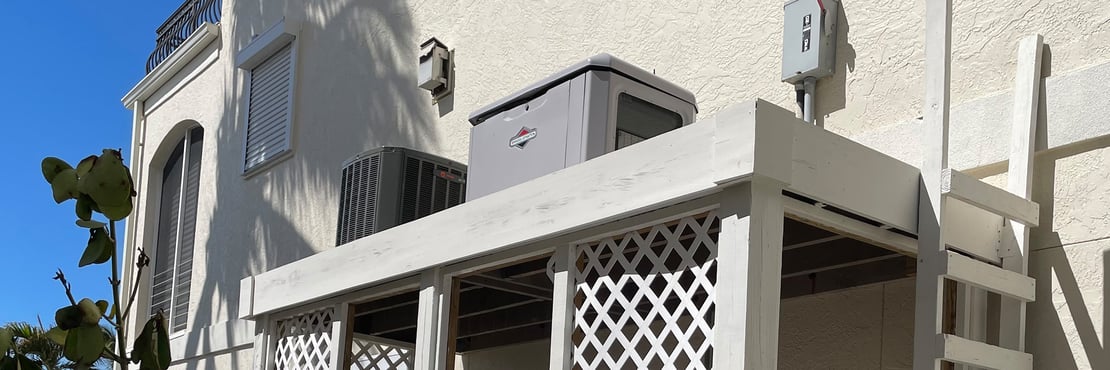
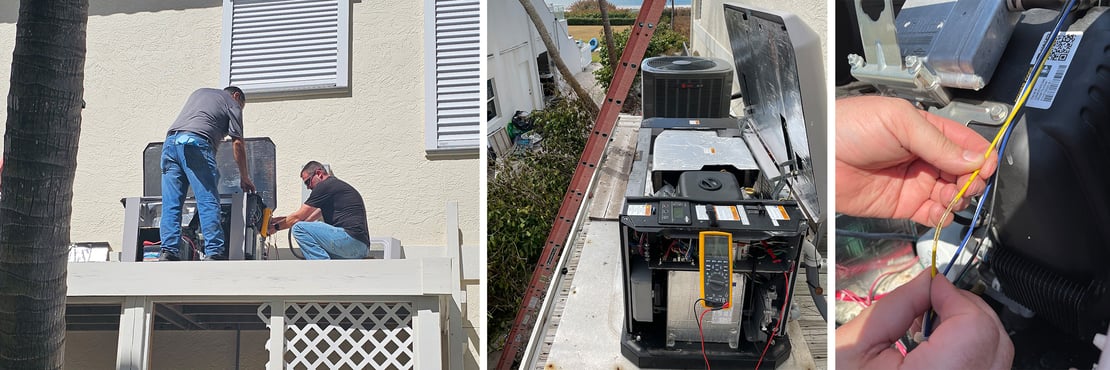
For modern homeowners, choosing an advanced backup power solution—such as a home standby generator or a battery storage system—is only the first step. How your system is installed is just as critical as the system you choose. If you live in a coastal or flood-prone area, standard ground-level installations are not enough to protect your equipment from storm surges and floodwaters.
To ensure your home remains resilient, it is highly recommended to work with a certified dealer and installer. Below is a guide to help you confidently discuss specialized hurricane-zone installation options with your local power professional.
The Homeowner’s Guide to Dealer Consultations in Hurricane Zones
When you sit down with a certified installer, use these key talking points to ensure your backup power system is engineered to withstand the worst that nature can deliver.
1. Discussing Elevation: "How High Does My System Need to Be?"
Floodwaters can quickly disable backup power equipment, causing short-circuiting, internal engine damage, and fuel contamination. Talk to your dealer about elevating your system above the Base Flood Elevation (BFE).
- Determine the Target Height: Ask your dealer to check local floodplain ordinances and FEMA guidelines; generally, your generator should be installed at least 1 to 2 feet above the 100-year flood and storm surge elevations.
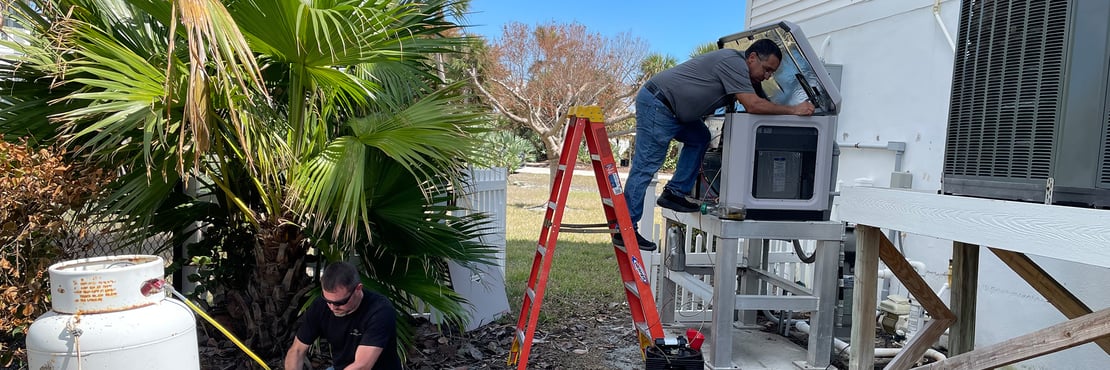
- Explore Platform Options: Ask your installer which mounting solution is best for your property's terrain. Options include raised reinforced concrete pads, engineered steel support frames, or composite pedestals.
- Inquire About Hurricane-Rated Stands: If your dealer recommends a steel stand, ask about professionally engineered, fully MIG-welded models. Discuss whether a "Bolt-Down" style with foot pads or a "Footer" style—where extended legs are concreted directly into the ground—is better for your landscape.
- Request Corrosion Resistance: For coastal applications, insist on a hot-dip galvanized finish for steel stands, which provides the ultimate protection against saltwater corrosion.
2. Discussing Placement: "Where is the Safest Location?"
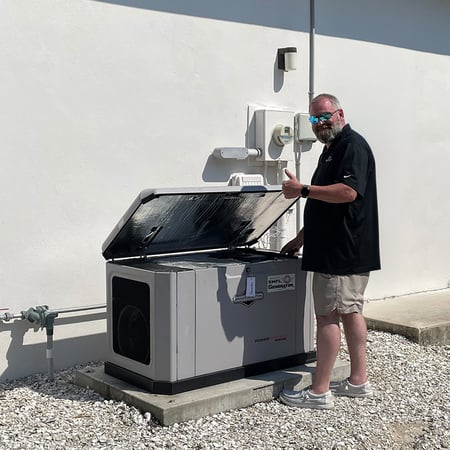
Placement isn't just about aesthetics; it's about life safety and protecting the unit from the forces of nature.
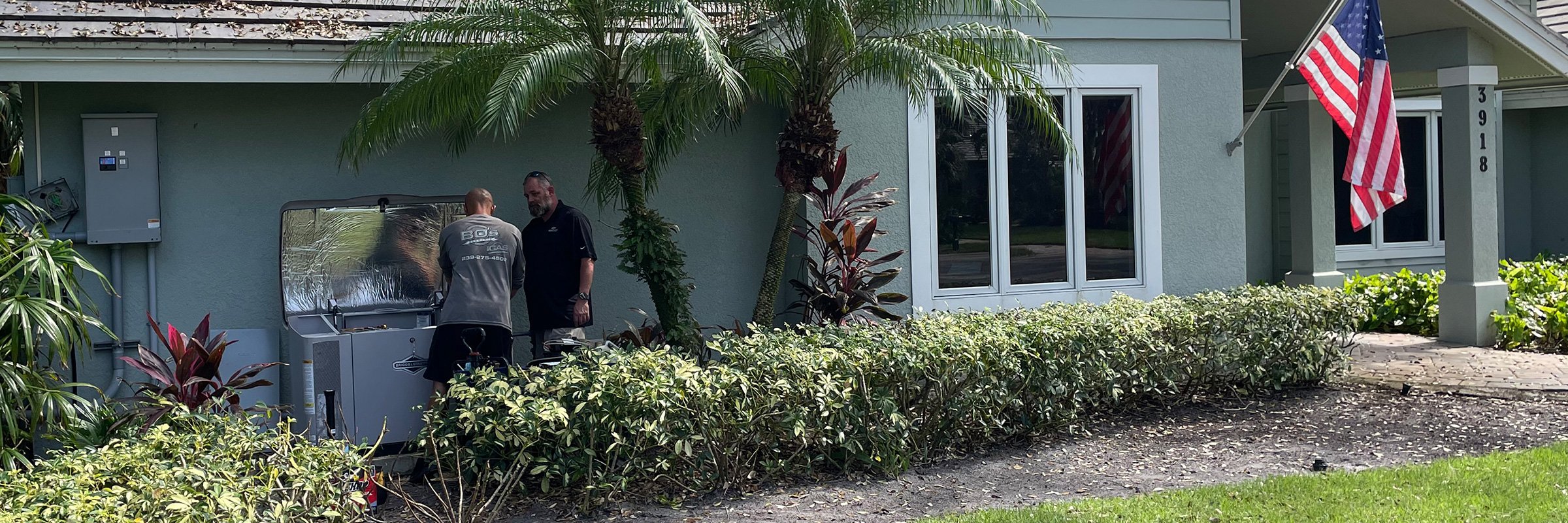
- Carbon Monoxide (CO) Safety: Never allow a generator to be installed under a wooden deck, platform, or inside a garage. Ask your dealer to verify that the placement complies with NFPA 37 clearances: at least 5 feet from operable windows, doors, and vents, 5 feet above the unit, and 3 feet at the front and ends.
- Debris Protection: Request the installation of protective bollards around the generator and fuel tanks. Floating debris—such as dumpsters or vehicles—can become dangerous projectiles in as little as one foot of flowing water.
- Flow Dynamics: Floodwaters flow with immense force; ask your dealer to position the generator perpendicular to potential flood flow directions to minimize water resistance.
Note: Only units featuring the SwRI logo may qualify for a reduced 18-inch clearance from a stationary wall.
- Battery Safety: If you are discussing battery storage, ensure your dealer knows that batteries must never be installed inside habitable living spaces like bedrooms. Discuss safe locations such as a garage, basement, or weather-tight outdoor installation.
3. Discussing Codes and Connections: "Who Handles the Permits?"
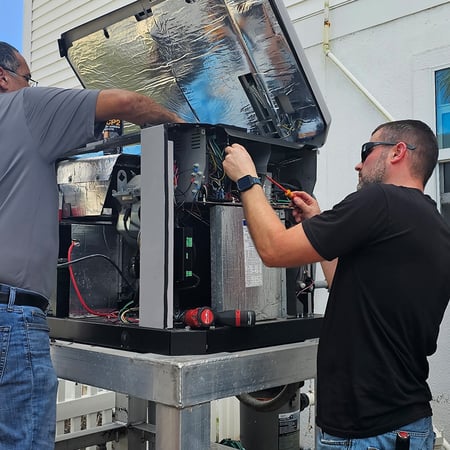
Installing a standby generator is not a DIY job. It involves complex electrical wiring, natural gas plumbing, and adherence to strict local and national codes.
- Permitting: Ensure your dealer will handle all necessary permits, including Floodplain Development Permits and electrical/plumbing approvals.
- Transfer Switches: Ask about the required automatic transfer switch to ensure it is electrically operated, mechanically held, and listed for emergency use. This prevents your system from dangerously backfeeding power into the utility grid.
- Plumbing Protection: If using natural gas, ask your dealer how they will protect the fuel supply. Regulators and meters must be elevated above the floodplain, and special "snorkels" can be installed to prevent water from entering gas lines during a flood.
4. Discussing the Hardware: "What Backup Power Source is Best for Me?"
Work with your dealer to select the Briggs & Stratton Energy Solutions equipment that matches your specific load requirements and resilience goals.
- Standby Generators: Ask about the PowerProtect+™ series, rated in accordance with UL 2200. With industry-leading motor starting power, a PowerProtect+ generator ensures your heaviest loads—like central air conditioning during a humid post-storm heatwave—keep running seamlessly.
- Battery Storage: Discuss the SimpliPHI 6.6 energy storage system, which utilizes safer, longer-lasting Lithium Ferro Phosphate (LFP) technology. Your dealer can explain aggregate capacity limits—such as a maximum of 80 kWh for attached garages or outdoor walls, and 40 kWh for enclosed utility closets.
- Hybrid Resilience: Ask your dealer about combining a PowerProtect+ generator with SimpliPHI 6.6 batteries. This allows you to run on silent battery power at night and use the generator to power heavy loads and recharge the batteries during the day.
Post-Storm Recovery: Standing By When You Need Us Most
When the skies clear, our focus remains on supporting your community’s resilience. We understand the challenges that follow severe weather and prolonged outages, and Briggs & Stratton Energy Solutions is committed to helping homeowners navigate the recovery process seamlessly.
To ensure our network has immediate access to expert guidance when it matters most, we maintain a dedicated storm response technical support phone line specifically for impacted dealers requiring real-time troubleshooting and field assistance. Alongside this direct line of communication, we actively monitor brewing weather systems and stand ready to prioritize and mobilize critical parts inventory to affected regions if storm activity escalates.
Overall Storm Tips & Preparedness
The 2026 Outlook: Why Preparation is Non-Negotiable
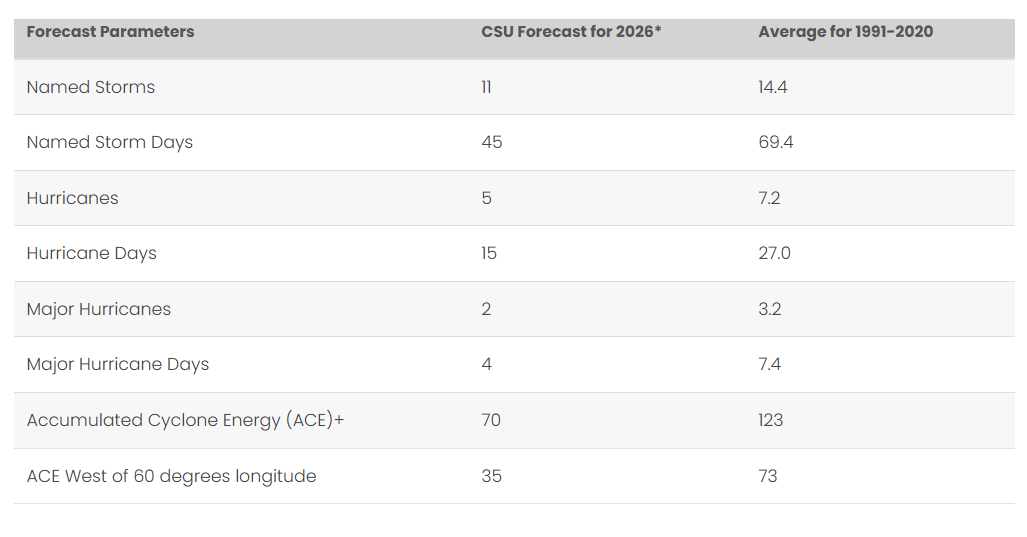
The 2026 Atlantic basin hurricane season is anticipated to have below-normal activity due to a high potential for a moderate-to-strong El Niño, according to the Colorado State University (CSU).
.
Forecast for 2026 Hurricane Activity:
Colorado State University 2026 Hurricane Forecast
Understanding Your Hurricane & Storm Risk
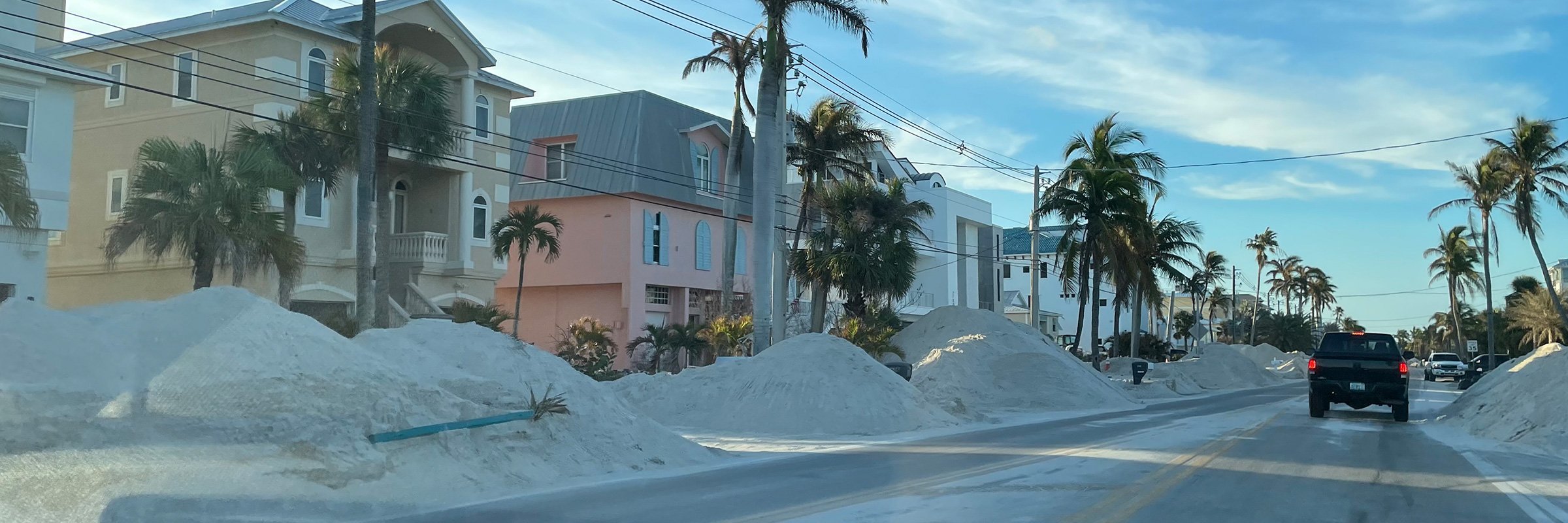
As storm seasons become more volatile, severe weather events continue to threaten communities across the country. Whether it is a full-scale Atlantic hurricane packing winds over 74 mph, a fast-moving tropical storm, or severe high-wind events inland, unpredictable weather patterns and rising sea levels mean that storms are intensifying rapidly.
Historically, coastal regions like Florida, Texas, Louisiana, and the Carolinas face the highest threat of severe flooding and structural damage. However, your vulnerability is ultimately determined by two major risk factors: your geographic location and the integrity of your property. Secure concrete or steel-frame structures equipped with hurricane-rated windows are built to withstand heavy impacts, while unreinforced masonry or wood-frame buildings face significantly higher risks when a storm hits.
Take Action: Build Your Disaster Preparedness Plan
You shouldn't wait until a storm warning is issued to think about safety. Developing a proactive preparation strategy is the single best way to protect your loved ones, prevent major structural losses, and guarantee total peace of mind when the grid fails.
📋 Get Prepared: Protect your home and family by following our comprehensive, step-by-step Hurricane Preparedness Checklist for Homeowners to secure your property, organize your emergency supplies, and evaluate your backup power needs before storm season begins.