Quick Answer
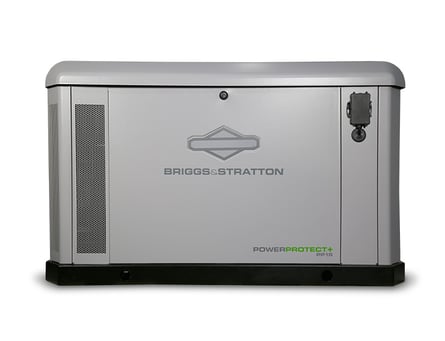
Yes, a professionally installed standby generator increases your home’s value by 3% to 5% (averaging $12,000 to $20,000 on a $400,000 home). It delivers a 50% to 150% Return on Investment (ROI). In today's high-rate housing market, a Briggs & Stratton PowerProtect+™ standby generator is a top-tier functional upgrade that makes listings stand out, particularly in storm-prone and grid-sensitive regions.
Why Today's Market Demands Upgrades Over Moving
With 30-year fixed mortgage rates averaging 6.67% and 15-year rates at 5.96% as of August 2026, many homeowners are choosing to stay and upgrade rather than finance a new home.
At the same time, the U.S. power grid is hitting a critical breaking point. According to the U.S. Congress Joint Economic Committee, over 70% of the electrical grid is more than 25 years old. This aging infrastructure struggles to cope with the severity and frequency of severe weather, causing weather-related power outages to rise sharply over the last two decades. Nationwide, these outages cost the U.S. economy approximately $150 billion each year.
Consequently, buyers are shifting their priorities. A Realtor.com survey revealed that 70% of homeowners and sellers consider the potential impact of natural disasters and climate events when choosing a home, driving a massive wave of demand for built-in residential resilience.
Does a Generator Increase My Home Value?
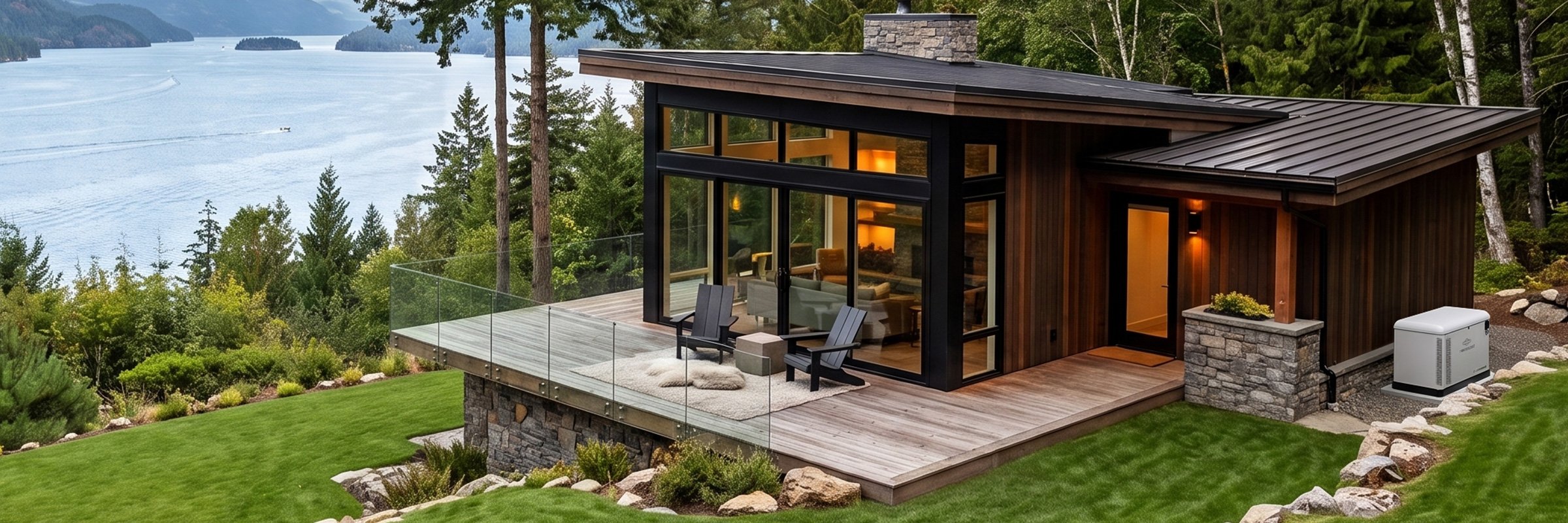
A whole-house standby generator is one of the highest-returning mechanical upgrades. The worse the local grid stability, the higher your return at resale.
- Average Value Increase: 3% to 5% of home value, climbing in highly competitive, storm-prone real estate markets.
- Texas (Grid Vulnerability #1): Texas leads the nation with 264 major power outages between 2000 and 2023 (averaging 11.5 per year). Standby units are a massive selling point in major metros, and essential in rural areas to help keep electric AC units and well pumps operational during blackouts.
- Florida (The Hurricane Premium): Experiencing 4.2 major outages per year, coastal Florida buyers actively filter listings for homes with standby power, yielding near dollar-for-dollar financial returns at resale.
Standby vs. Portable: The Appraisal Rules
If you want to boost your home's equity, the type of generator you install matters:
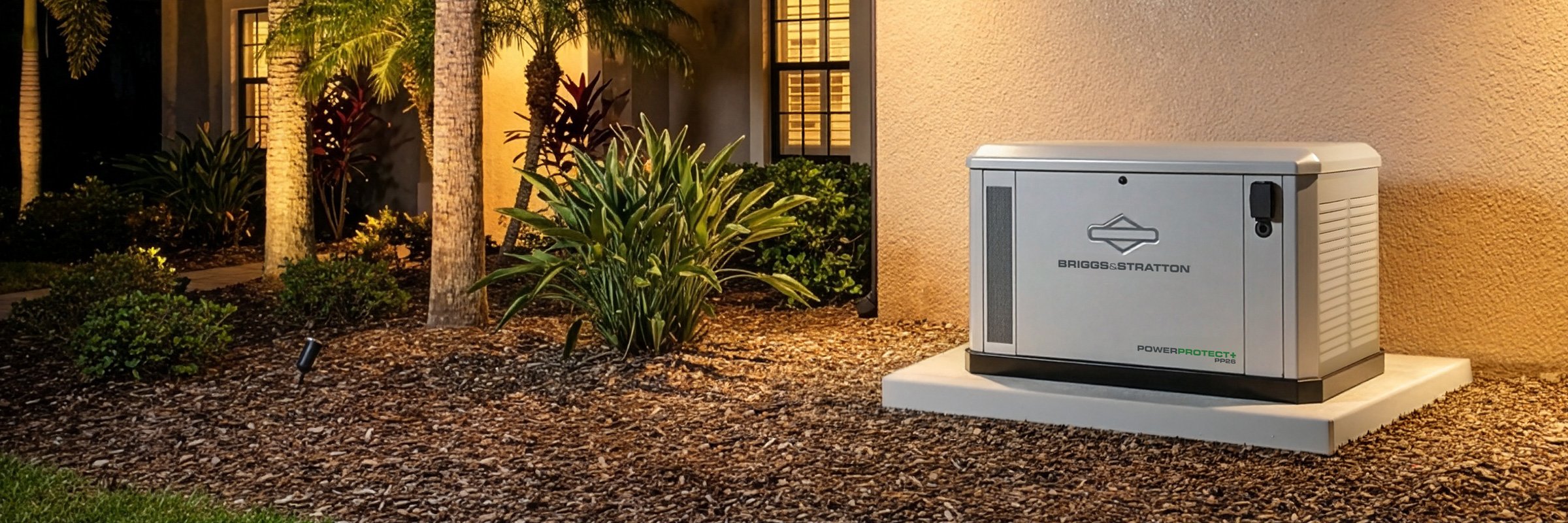
- Standby Generators (Appraisal Value = High): Professionally bolted to a concrete pad, connected via an automatic transfer switch (ATS), and fueled permanently by natural gas or propane. Appraisers recognize these as permanent, value-adding home improvements.
- Portable Generators (Appraisal Value = $0): These sit in the garage and must be manually wheeled 25 ft. away from all home openings out to operate. Since they do not convey permanently with the home, appraisers exclude portable generators from home valuation entirely.
Comparing Upgrades: Standby Generator vs. Other Home Renovations
Just like other home renovations, a generator is an upfront investment made for both an immediate and longer-term reward. You get to enjoy the security and stability of constant, reliable power while also enjoying the payoff as your resale value improves for prospective home buyers.
The average cost of home renovations and replacements is comparable to that of a standby generator.
|
Home Renovation / Replacement |
Typical Cost Range |
Equity & Protection Impact |
|
Bedroom Remodel |
$1,500 – $10,000 |
Aesthetic Upgrade |
|
Central A/C Replacement |
$3,000 – $7,000 |
Functional Maintenance |
|
Bathroom Remodel |
$5,000 – $25,000 |
Aesthetic Upgrade |
|
Roof Replacement |
$6,000 – $11,000 |
Structural Maintenance |
|
Standby Generator |
$6,000 – $20,000 |
3%–5% Equity Boost + Risk Mitigation |
|
Minor Kitchen Remodel |
$10,000 – $50,000 |
Aesthetic Upgrade |
|
Basement Remodel |
$10,000 – $75,000 |
Living Space Expansion |
While the perfect shower tile can make a visual impact, the impacts of an unexpected power outage can cause short-term inconvenience to long-term burdens on your life.
As an investment, a home generator saves you money and offers you peace of mind in the long run. Learn more about Briggs & Stratton home generator options.
The Bottom Line
With the continued strain on the grid, the case for investing in a home standby generator is better than ever. In regions vulnerable to severe weather and power outages, installing a standby generator is an incredibly smart, high-ROI investment. It protects your current home while building a layer of equity that future buyers are eager to pay a premium for.