Energy costs are rising, causing you to pay more out of pocket to live comfortably in your home. Maximizing energy usage, using efficient appliances and alternative energy sources are ways to keep your energy costs down. Develop a plan to reduce your energy costs with the helpful tips below.
The first step to lowering energy costs is to obtain a home energy audit. A basic assessment completed by a home energy professional is relatively inexpensive and can provide homeowners with a Home Energy Score that details energy use and recommendations for lowering costs and improving efficiency.
Following a home energy audit, take a look at these areas to conserve energy and cut costs:
- Weatherizing your home
- Efficiently heating and cooling
- Maximizing energy with current appliances
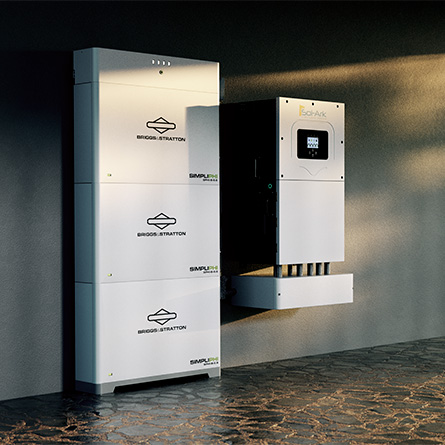
- Energy storage and backup power
Heating and cooling your home takes a significant amount of energy and typically accounts for a third of total energy usage. Programming your thermostat, or using a smart thermostat, can help to save money by controlling and regulating the temperature in your home. Energy.gov states that homeowners “...can save as much as 10% per year on heating and cooling by turning [the] thermostat down 7°-10°F for 8 hours a day in the fall and winter; turn it up in the spring and summer.” Many smart thermostats can track and provide insights on energy usage that you can review and use to manage your energy. Additionally, using the right-sized energy-efficient air conditioner can help lower usage and costs. If the unit is too small, it may be working too hard.