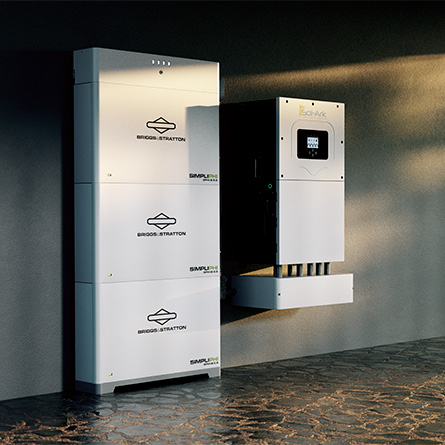
Power outages during the winter months can cause unique dangers, transforming the cold into a serious threat. When the lights go out and your heating system fails, the freezing temperatures can quickly become a matter of survival. Let's explore the risks associated with winter power outages and discuss essential safety tips, including the importance of reliable backup power.
The Dangers of Winter Power Outages
- Hypothermia: When temperatures plummet, your body loses heat faster than it can produce it. Hypothermia sets in, causing confusion, shivering, and eventually, loss of consciousness. This is especially dangerous for infants, the elderly, and those with chronic health conditions.
- Frostbite: Prolonged exposure to freezing temperatures can restrict blood flow to extremities, leading to frostbite. Fingers, toes, ears, and noses are particularly vulnerable. In severe cases, frostbite can result in amputation.
- Carbon Monoxide Poisoning: Desperate for warmth, some people resort to using alternative heating sources like generators, charcoal grills, or camp stoves indoors. These can emit deadly carbon monoxide gas, which is odorless and colorless.
- Fire Hazards: Improper use of candles, space heaters, and fireplaces can increase the risk of house fires. Overloaded electrical circuits and faulty wiring also pose a threat, especially in older homes.
- Food Spoilage: Refrigerated and frozen food can spoil quickly during a prolonged power outage, leading to foodborne illnesses.
- Water Issues: If you rely on a well with an electric pump, a power outage can disrupt your water supply. Frozen pipes can also burst, causing flooding and water damage.