The 2026 FIFA Men’s World Cup will be a monumental event, with the United States acting as the primary host, joined by Mexico and Canada. Expanding to 48 teams competing across 104 matches, the tournament is expected to draw 5 million people globally. While the spotlight will be firmly on the games, an invisible challenge looms in the background: historic electricity demand and unprecedented grid strain.
An event of this scale is a high-stakes execution test for local power grids. As host cities ready their infrastructure, the real energy story won't just be inside the stadiums—it will be unfolding across millions of homes and businesses.
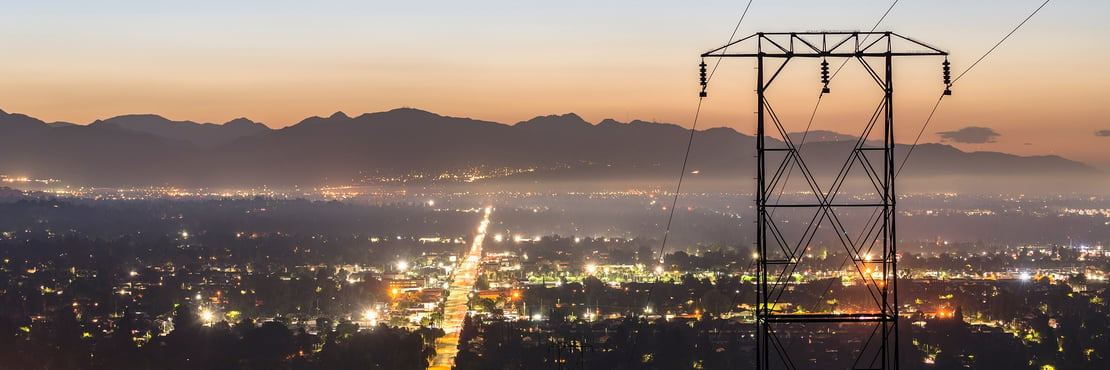
The North American Grid Stress Test
The North American Electric Reliability Corporation (NERC) recently warned that electricity demand is surging faster than the grid can adapt, with 13 of 23 assessment areas facing capacity shortfalls within the next decade. The tournament will heavily compound these regional baseline pressures:
United States
The U.S. is shouldering the bulk of the tournament across major metro areas. In New York and New Jersey, the New York Independent System Operator (NYISO) anticipates dangerously thin reliability margins beginning in 2026 due to aging fleets and rising demand. In the Mid-Atlantic (Philadelphia), the PJM Interconnection projects capacity falling below reliability targets, while the Western U.S. (Los Angeles, Seattle, and San Francisco) faces severe reliability stress due to fossil-fuel plant retirements. In Texas, the Electric Reliability Council of Texas (ERCOT) grid is battling rapid load increases from data centers and extreme weather.
Mexico
Hosting 13 matches in Guadalajara, Mexico City, and Monterrey, the threat here is severe, localized strain. According to the National Commission for the Efficient Use of Energy (CONUEE), 27% of residential electricity consumption in Mexico is concentrated in space cooling, televisions, and air conditioning.
Canada
In Toronto, Ontario's Independent Electricity System Operator (IESO) projects a 65% long-term growth in electricity demand driven by population growth and electrification. In Vancouver, BC Hydro is rapidly investing in new infrastructure, such as the North Coast Transmission Line, to meet surging demand driven by climate action.

Stadium Readiness vs. Home Vulnerability
Major venues are highly predictable and heavily planned for. Gillette Stadium in Massachusetts operates as a highly efficient microgrid utilizing a 2 MW fuel cell server, a 1 MW solar array, and advanced demand response software. Similarly, Mercedes-Benz Stadium in Atlanta utilizes thousands of rooftop solar panels.
However, your home is not a stadium. Local distribution networks remain highly vulnerable to sudden, synchronized loads. In Houston, for example, where 500,000 fans are expected to visit, utility providers like CenterPoint Energy are urgently conducting hazard-mitigation inspections at substations and the Texas Medical Center to prepare for the massive influx, according to reporting by the Houston Press.
When millions of fans simultaneously turn on their screens and cooling systems for the games, it creates staggering localized demand spikes, transient surges, and micro-outages.
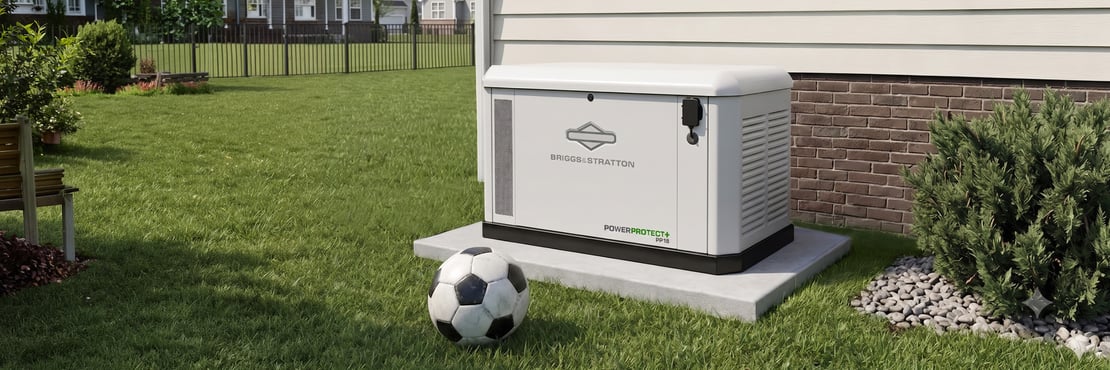
“This tournament represents one of the largest global sporting events in the world, with 104 matches played across 39 days and millions of viewers expected to tune in from U.S. households during peak afternoon and evening broadcast windows,” says Rodolfo Garza, Business Development Manager for Briggs & Stratton Energy Solutions. “While host stadiums are protected by dedicated backup generators and industrial-grade grid infrastructure, surrounding residential and city-wide power systems will face significant strain from extreme summer heat, increased air conditioning demand, broadcast technology, and synchronized energy usage from viewers nationwide. Having a backup power solution in place helps ensure homeowners stay connected and powered through the event, even during localized outages.”
Navigating the Resilience Gap
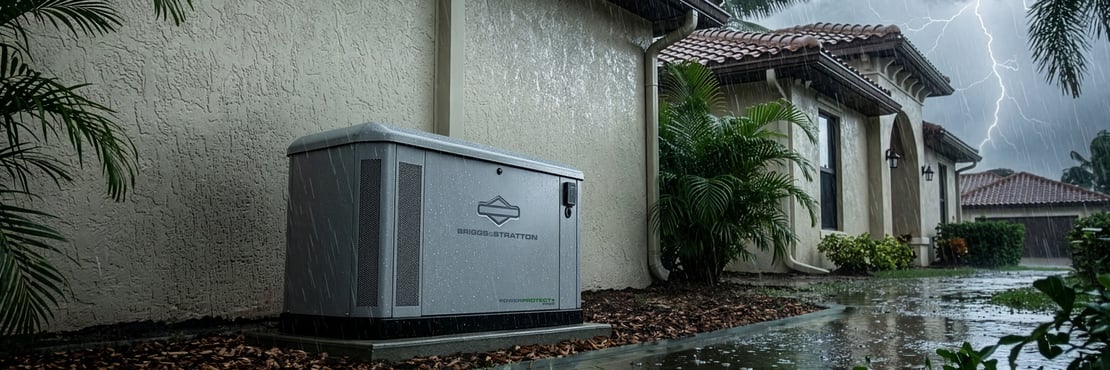
The broader energy landscape further complicates the outlook. The power grid is struggling to keep pace with rapid electrification and extreme weather. In fact, between 2000 and 2021, approximately 83% of reported major power outages in the United States were directly attributed to weather-related events, according to a comprehensive historical grid analysis by Climate Central.
"We are demanding more from an aging grid than it was ever designed to handle, and this tournament is a microcosm of that vulnerability," explains Sequoya Cross, VP of Energy Storage for Briggs & Stratton Energy Solutions. "With average residential utility rates continuing to rise significantly and the infrastructure constantly battling extreme weather, relying solely on centralized power during massive, synchronized demand events is no longer a viable strategy. True security requires proactive, dynamic distributed energy management."
Beyond the weather, changing economic realities are driving residential consumers to seek independent alternatives.
“What we’re seeing now is homeowners thinking about energy a lot differently than they did even a few years ago,” says Brian Taylor, New Business Development Manager for Briggs & Stratton Energy Solutions. “It’s not just about reacting when the power goes out anymore. People want more control and more confidence in how their homes operate during peak demand, severe weather, or major events that put extra strain on the grid.
Something like the World Cup might seem temporary, but when you combine millions of people running AC, streaming matches, and increased summer demand overall, it highlights how important reliable power has become. More homeowners are looking at backup power and residential microgrids as a smart long-term investment in stability and peace of mind.”
Your Path to Power Independence
Securing home energy independence is essential before record-breaking demand hits. Briggs & Stratton Energy Solutions provides a reliable safety net for homeowners navigating this grid instability:
Intelligent Energy Storage Systems (ESS): The Briggs & Stratton® SimpliPHI® 6.6 battery utilizes advanced Lithium Ferro Phosphate (LFP) batteries and intelligent control systems. This technology allows users to store lower-cost energy from the grid or solar panels and deploy it during peak afternoon and evening hours, avoiding high utility surcharges while providing silent, instant backup power. Briggs & Stratton home battery storage systems fully integrate with all leading inverters to provide system design flexibility.
Layered Defense: For extended protection when the grid fails under record summer peaks, pairing intelligent energy storage with Briggs & Stratton® PowerProtect+™ Standby Generators provides rugged, long-term resilience that keeps homes fully operational as long as a fuel supply is present.
Whether you are hosting a watch party in Texas, tuning in from California, or celebrating a goal in Mexico City, the energy required to power the 2026 World Cup will be unprecedented.
This summer is just a warm-up; with the 2028 Summer Olympics headed to Los Angeles, the strain on our infrastructure will only continue to intensify. Taking control of your power today is the best way to guarantee you won't miss a single second of the action tomorrow.