2 min read

Generator & Energy Storage Basics

How to Prepare for Spring Storms: The PowerProtect+ Advantage

As the weather warms, your home maintenance checklist is likely growing by the minute. You’ve cleaned the gutters and inspected the roof, but for homeowners with a standby generator, there is one critical spring cleaning task you cannot afford to skip: ensuring your backup power is ready.

Spring storms bring lightning and high winds—the leading causes of seasonal power outages. To make sure your backup power system is ready the moment the grid goes down, it’s essential to have a maintenance plan that matches the quality of your equipment. While brands like Generac and Kohler are widely recognized, Briggs & Stratton Energy Solutions stands apart—delivering more power, easier maintenance, and greater resilience when it matters most.
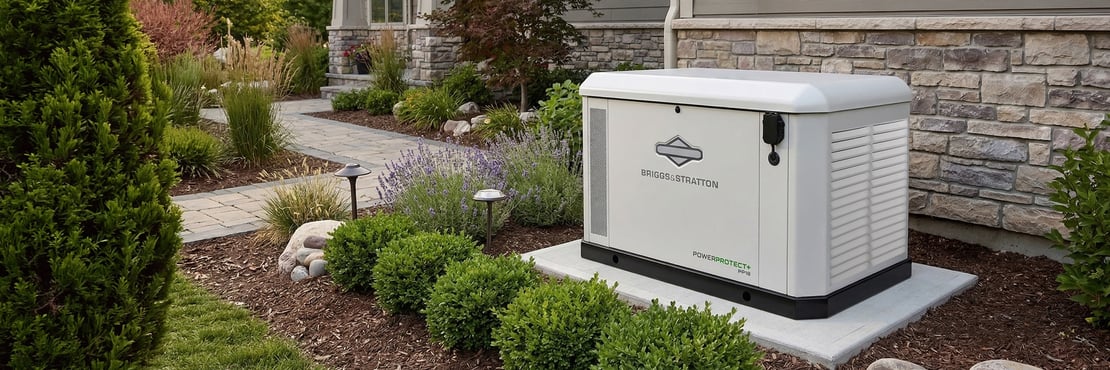
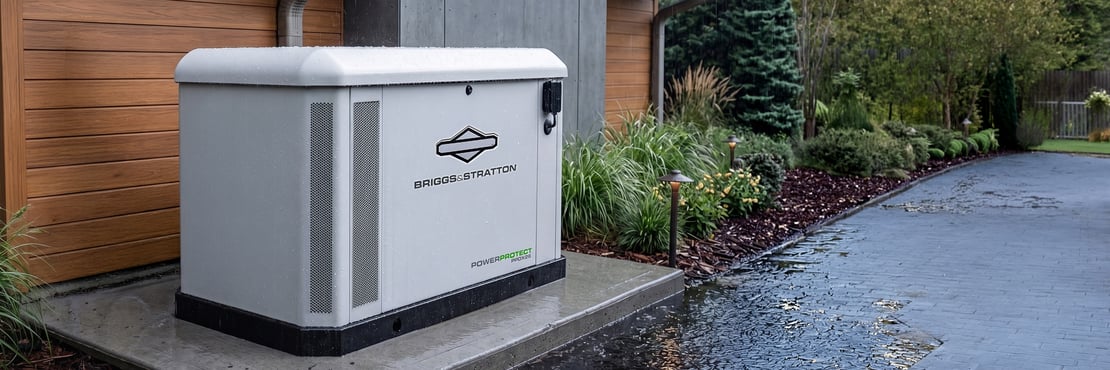
 
BAS-Blog-Banner1


Why Briggs & Stratton PowerProtect+ Outperforms the Competition

When comparing the "Big Three" of home standby power, the differences in maintenance and reliability become clear. According to recent 2026 industry evaluations by Modernize, Briggs & Stratton is recognized for pairing high performance with user-friendly controls, backed by over a century of engine innovation.

  • Safety First: Our PowerProtect+ units are the only standby generators featuring front-facing exhaust. This unique design blows heat and fumes away from your home, offering a safer, more versatile installation.

  • Smarter Design: While competitors often prioritize high-volume production or industrial footprints, Briggs & Stratton optimizes for the homeowner.

Built for Certainty: We don't just provide backup; we provide peace of mind.

 
BAS-Blog-Banner


The Homeowner's 5-Step Spring Cleaning Checklist

You don’t always need a technician for your spring tuneup. Incorporate these steps into your regular yard routine to keep your standby generator healthy.

  1. Clear the "Breathing Zone": Maintain a 3-foot clearance on all sides. Remove shrubs, tall grass, or mulch that could choke airflow and cause the engine to overheat.
  2. Inspect the Louvers: Check the enclosure vents for dust, pollen, or more commonly pest nests. Blocked vents can restrict airflow and impact performance.
  3. Check the Oil: Open the access door and check the dipstick. Ensure levels are between "ADD" and "FULL" marks.
  4. Look for Leaks: Do a 360-degree walk-around to look for signs of oil or fuel residue on the pad or base.
  5. Monitor Your Tech: If you aren’t using EnergyTrak, talk to your Briggs & Stratton dealer. Remote monitoring allows you to check your generator’s status from your phone, anywhere in the world.

Expert Tip: Try to check your enclosure every time you mow the lawn. If you see debris building up, clear it immediately to keep your generator healthy.


BAS-Blog-Banner3


When to Call Your Dealer

While homeowners can handle basic visual inspections, some tasks require the precision of a certified Briggs & Stratton professional. We recommend an annual health check for:

  • Full Fluid Service: Oil and filter changes (required every 100 hours or annually).
  • Electrical Vitality: Battery voltage testing and terminal cleaning.
  • Engine Tuning: Spark plug replacement, air filter swaps, and valve lash adjustments to keep the engine running at peak efficiency.

Your authorized dealer is your partner in long-term power security. They can set up a recurring maintenance schedule so you never have to guess if you're ready. 


Take Control of Your Power

Find Your Local Dealer

Download the EnergyTrak App | Get it on Google Play | Download on the AppStore